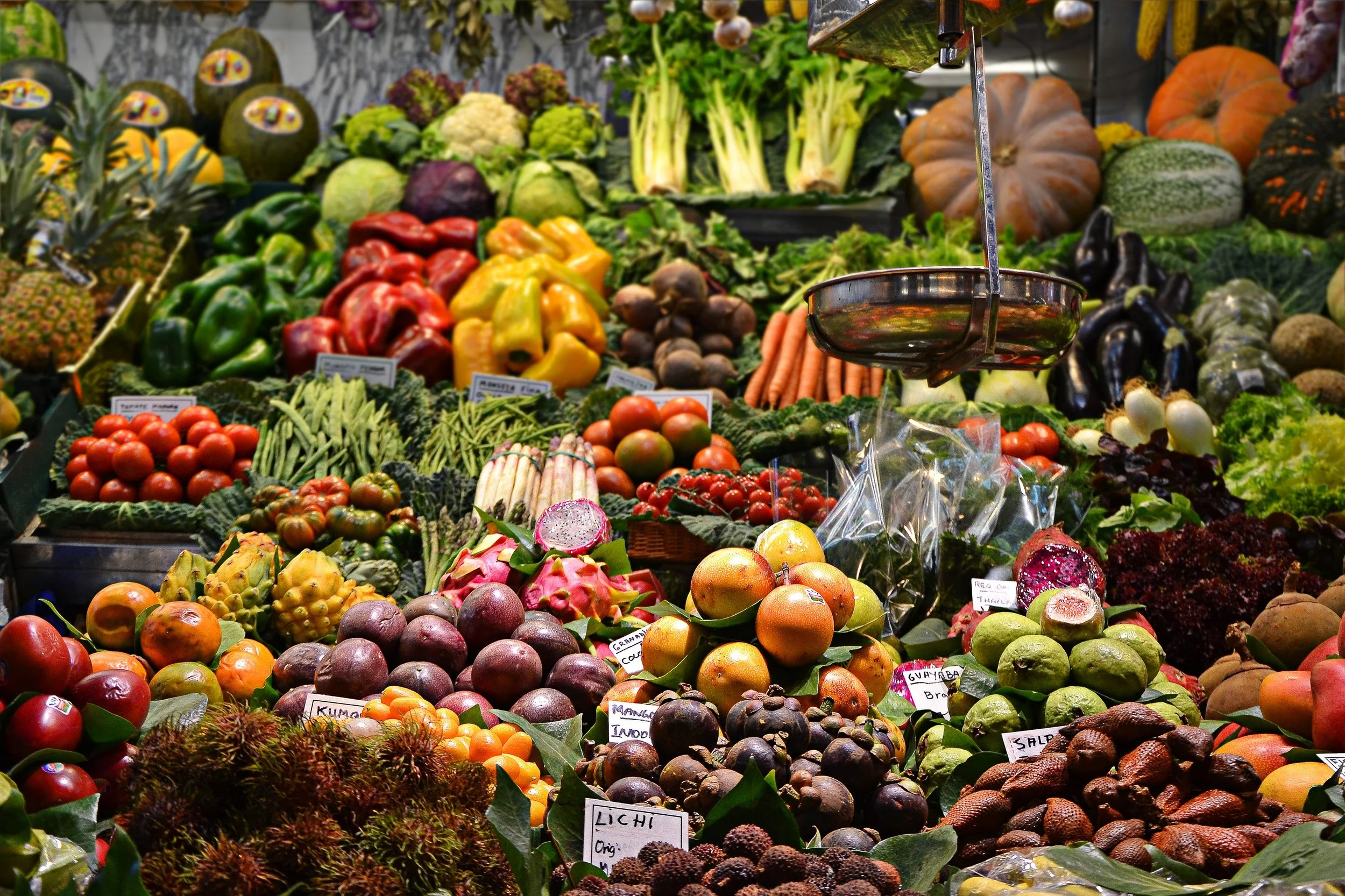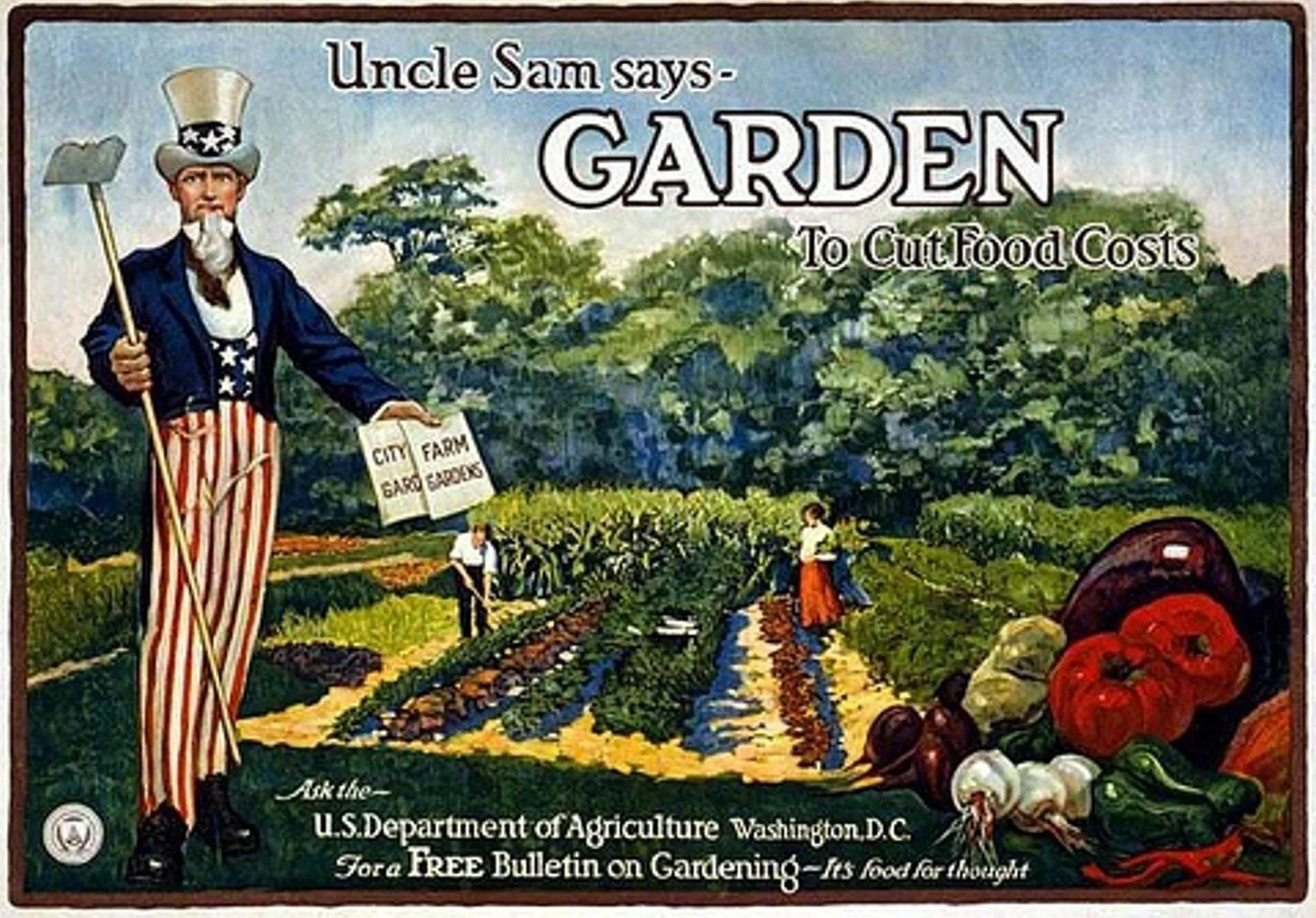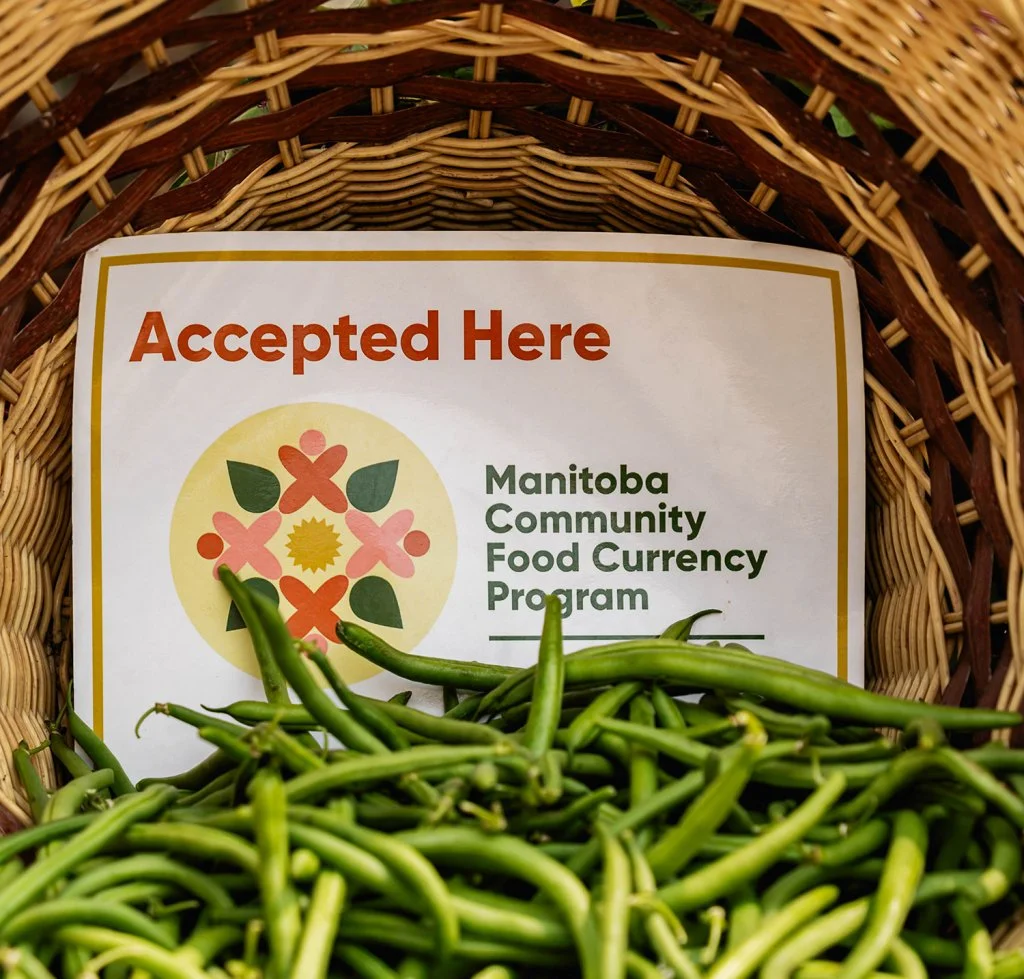
In previous posts, I’ve written about food self-sufficiency and food self-reliance as concepts that are re-emerging in Canadian policy debates. But if we shift from concepts to practice, there are already examples of such programs quietly operating across the country. One of the most effective, evidence-based, and locally grounded approaches to improving food security in Canada today are farmers’ market voucher programs.